How 3 Recent Bank Failures Could Impact Housing Market
March 18, 2023
Market Update
March 18, 2023
Market Update
 |
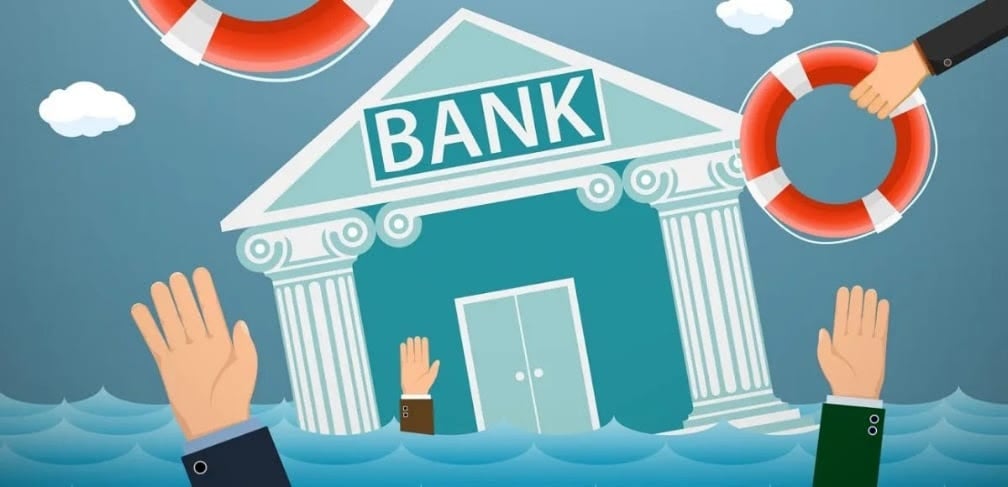
| The collapse of Silicon Valley Bank and others may drive mortgage rates lower, says NAR Chief Economist Lawrence Yun. The demise of three banks last week has been sending shockwaves through an already fragile economy. Could it have an impact on real estate, too? “The Silicon Valley Bank failure, along with a few other banks, means that the Federal Reserve cannot be so aggressive in raising its short-term interest rates,” says Lawrence Yun, chief economist of the National Association of REALTORS®. “Therefore, mortgage rates will decline.” Mortgage rates had been steadily rising in recent weeks, with the 30-year fixed-rate loan averaging 6.73% last week, according to Freddie Mac. The Fed has been making a series of aggressive rate increases, which may indirectly influence mortgage rates, over the last few months. Home buyers have been up against affordability woes, as mortgage rates are nearly double what they were just a year ago. But as of Monday, mortgage rates had fallen about 50 basis points lower than last week. Yun says that when there is a panic in the financial market, investors often shift money toward safer assets, which tend to be U.S. Treasury notes and bonds. Mortgage rates lately have tended to follow the movement of Treasury yields, which are falling. “So, a panic in a sense leads to an automatic stimulus to the economy from lower interest rates,” Yun says in public comments on LinkedIn. “The housing sector nearly always responds to falling mortgage rates, especially when there are job additions to the economy.” And if rates do head lower, more home buyers undoubtedly would still enter the housing market in response, he adds. Bank Failures Spark Panic Last Friday, the shutdown of Silicon Valley Bank became the second-largest bank failure in U.S. history and the largest since the 2008 financial crisis. The bank was known as a large supporter of tech startups. About 15% of the loans in Silicon Valley Bank’s portfolio were residential and commercial mortgages, The Real Deal reported. Signature Bank and Silvergate Capital, both big lenders in the cryptocurrency space, also shuttered their doors. To help avoid mass panic, the Federal Reserve, Federal Deposit Insurance Corp., and Treasury Department created an emergency program to backstop all deposits using the Fed’s emergency lending authority. That granted depositors full access to their funds as of Monday, and the agencies vowed to make all depositors whole. Usually, banks only insure up to $250,000 per account ownership category through the FDIC, an agency that was created in 1933 after thousands of bank failures. In this case, the federal government’s move to backstop uninsured money has been viewed as an unusual step. President Joe Biden has been offering assurance to Americans that banks are safe. He vowed on Monday to “strengthen oversight and regulations of larger banks so that we are not in this position again.” Meanwhile, the bank failures may be a sign of trouble ahead for the tech industry. “Some businesses reliant on funding from Silicon Valley Bank [and others] may lack capital to continue its business or have to cut back,” Yun says. There could be some job losses ahead as a result, especially among some California tech companies, he adds. Local housing markets may be hampered by those job losses. But “broadly across the country,” Yun says, “more home buyers will enter the market [because of] lower mortgage rates.”1 Tracey, MD (2023).How 3 recent Bank Failures Could Impact Housing Market. NAR Realtor Magazine, Real Estate News. |
Stay Updated On Our Most Recent Blog Posts
Seller's Real Estate Tips
Brian Ng | October 4, 2026

Seller's Real Estate Tips
Brian Ng | September 28, 2026

Buyer's Real Estate Tips
Thao Dang Pham | September 4, 2026

Buyer's Real Estate Tips
Brian Ng | August 29, 2026

Buyer's Real Estate Tips
Brian Ng | August 3, 2026

Seller's Real Estate Tips
Brian Ng | July 30, 2026
You’ve got questions and we can’t wait to answer them.